
How often do we find ourselves in the act of passing judgment or assigning blame to others?
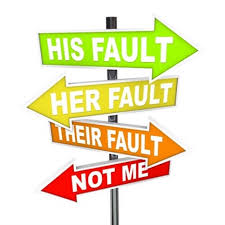
Conversely, how frequent is our experience over being on the receiving end of judgment or blame?
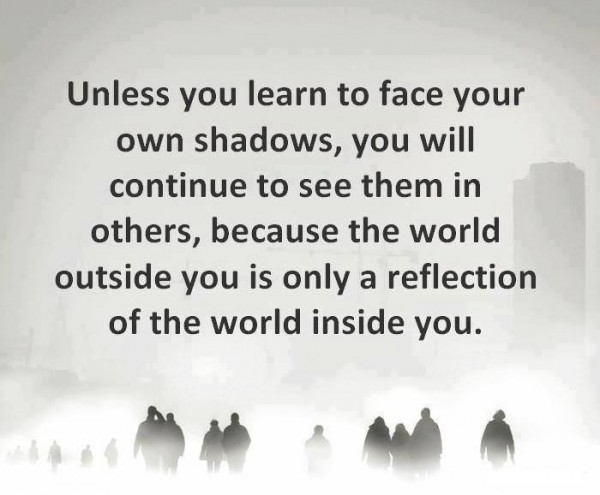
It’s essential to recognize that the acts of judgment and blame serve as methods of evading responsibility; furthermore, being judged and blamed is often a consequence of our internal judgments and blame directed toward ourselves and others. This dynamic leads to projecting our internal struggles onto those around us.

What is projection and how do I know I am doing this?
Look for these signs to identify projection:
–Allowing others to hurt you repeatedly. Notice that!!! Nobody can hurt us without our permission. So, check-in and see what you are giving permission for.
– Quick blame and intense reactions. Notice what you believe about yourself when you feel the urge to retaliate.
– Feeling overly sensitive or defensive. Do a body scan, check in with yourself, and assess the past few days.
– Difficulty understanding others’ perspective. If you do not understand a perspective, take the opportunity to simply listen without responding or judging.
– Repeated reactivity and sensitivity. Look for patterns, be kind to yourself, and in return, the outcome will surprise you.
If you struggle with spotting projection, ask yourself:

– What experience is triggered?
– What thoughts arise when thinking about this person?
– “Can I establish healthy boundaries?”
-“How can I show more compassion for myself and others?”
How do I stop Projecting?

Personally, I’m not sure if we ever stop, but we can definitely ease up and take notice when we do, and then decide if we want to take the bait.
Remember, it’s okay to acknowledge your shortcomings without projecting them onto others. By being kinder to yourself and understanding of others, you can cultivate more forgiving and compassionate relationships that way. Just keep in mind that everyone believes they’re right in their own minds, which is why we sometimes clash. We’ve all traveled different roads, had unique experiences, and held different beliefs. It’s only when we come across another person’s perspective that we either notice our differences or find common ground that connects us.
Here are some concrete suggestions you can take:
A little WILLINGNESS goes a long way and by that I mean be open to the idea; This is my opportunity today — to trust only in my little willingness to let the divinity in me do the job. This means surrendering to something greater than myself and knowing and remembering that I know nothing.
First and foremost, always remember to be kind to yourself and take notice of your thoughts. Recognize what you manifest in your life by thinking those thoughts; acknowledge your beliefs, and understand if you are striving for a specific outcome.
Ask yourself; Are you looking for peace or a fight?
Remember to be kind to yourself. It’s essential to recognize instances where you might be projecting and take the time to notice them.
It’s okay to acknowledge your behaviors and thoughts without rationalizing them. Rationalizing them just makes them real. Consider practicing mindfulness and meditation to find some peace. You can check out you tube regarding types of meditations you can do.
Work on carveing out some quality time and improve your communication skills. It’s okay to take a step back and question your thoughts. Remember, learning to set healthy boundaries is essential to self-care, and everyone benefits. We are all in this together and need each other to wake up from the dream of right and wrong. Everybody is innocent, but that is for another blog!

And remember this Who would you be without your story???? Byron Katie
 "Just Another BlaH BlaH BlaH BloG."